This is the Cookie Policy for kartshop.com, accessible from https://kartshop.com/
What Are Cookies
As is common practice with almost all professional websites this site uses cookies, which are tiny files that are downloaded to your computer, to improve your experience. This page describes what information they gather, how we use it and why we sometimes need to store these cookies. We will also share how you can prevent these cookies from being stored however this may downgrade or 'break' certain elements of the sites functionality.
Read the full cookie policy for Kartshop.com
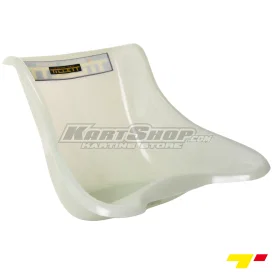
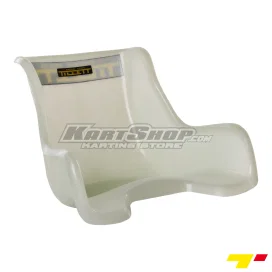
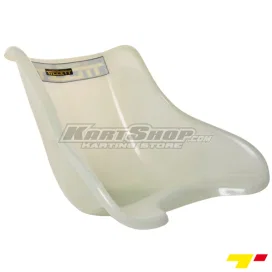
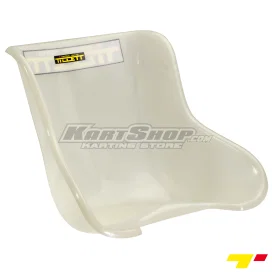
Tillett Seat Guide – Quick picks & FAQ Quick picks: Rotax Max → VG Minikart (60cc) → VTi X30 / OK / KZ → T11t What rigidity is best for me? + Short answer: Most modern full-size karts run either VG rigidity or "t" rigidity (both two grades softer than standard). These work well with most current chassis and engine combinations. Most 60cc Minikarts use the softest VTi, while four-stroke karts are generally less sensitive to seat stiffness due to their torque, making standard rigidity acceptable. 1) Understanding the impact of seat rigidity Seat rigidity does not directly add or remove grip. Instead, it affects how weight is distributed across the tyres and how that weight transfers during cornering. Because track surfaces differ, stiffness and grip cannot be viewed as a simple equation. You can generate grip in two ways: increased tyre contact area or increased downward load on the outside tyres. A stiffer seat tends to load the outside front tyre more. Both overly soft and overly stiff seats can cause understeer, but for completely different reasons. This is why seat choice must be viewed as part of the whole setup. 2) Basic recommendation Lower powered karts or engines with weaker bottom-end torque (such as Rotax Max) usually benefit from a softer seat like VG or VTi. This allows better inside wheel lift and cleaner corner exit. Higher powered engines (X30, OK, KZ) commonly use a T11t. With higher torque and lateral loads, the increased mid-corner weight transfer helps load the outside front tyre effectively. Hybrid options: 3) The stopwatch is king Once you find a seat that works well for your chassis and tracks, it rarely needs changing. However, conditions vary, so keep an open mind and always trust the stopwatch. How do I choose the correct size? + A correct seat size is critical for both driver safety and kart handling. A loose driver will pull on the steering, lift out of the seat and cause instability. 1) If you have a seat to try Seat the driver properly and check pressure at the leg bone, hip bone and along the ribs. This must be done with the rib protector fitted. The rib protector should not move inward as the driver sits back. Once seated, it should be difficult to squeeze fingers between the driver and the seat. If an area feels slightly loose, firm foam can be used. If it pinches, the seat size is incorrect. 2) If you don’t have access to a seat Jeans waist size, height and weight are useful indicators, combined with chest measurement and rib protector type. Overly thick rib protectors can shift sizing by up to two sizes. This should be avoided or accounted for by choosing a WT (Wide Top) seat option. |